RealTalk

An AI-driven language learning app focused on real-world travel conversations, feedback, and long-term engagement.

Fall 2022
Turning listening into learning.

Overview

Language is more than a tool—it’s a gateway to culture, connection, and belonging. Yet for many learners, fluency doesn’t fail because of a lack of vocabulary. It fails the moment the conversation begins.

This project explores a conceptual language-learning experience designed to help travelers practice real conversations—the kind that build confidence, not streaks. The goal was to bridge the gap between passive learning and real-world use through immersive, feedback-driven conversation practice.

This project was completed as part of DesignLab’s UX Academy.

Language is more than a tool—it’s a gateway to culture, connection, and belonging. Yet for many learners, fluency doesn’t fail because of a lack of vocabulary. It fails the moment the conversation begins.

This project explores a conceptual language-learning experience designed to help travelers practice real conversations—the kind that build confidence, not streaks. The goal was to bridge the gap between passive learning and real-world use through immersive, feedback-driven conversation practice.

This project was completed as part of DesignLab’s UX Academy.

Language is more than a tool—it’s a gateway to culture, connection, and belonging. Yet for many learners, fluency doesn’t fail because of a lack of vocabulary. It fails the moment the conversation begins.

This project explores a conceptual language-learning experience designed to help travelers practice real conversations—the kind that build confidence, not streaks. The goal was to bridge the gap between passive learning and real-world use through immersive, feedback-driven conversation practice.

This project was completed as part of DesignLab’s UX Academy.

Role

Solo UX/UI designer

Tools

Figma/FigJam
Maze

PROBLEM

Language learning apps are everywhere. Retention, however, is not.

As more people turn to digital platforms to learn a new language—especially for travel—engagement drops drastically. Edtech apps already face some of the lowest retention rates of any mobile category, with usage declining dramatically within the first 30 days.

At the same time, language learners consistently report the same frustration:

"I know the words, but I freeze when I try to speak."

"I know the words, but I freeze when I try to speak."

"I know the words, but I freeze when I try to speak."

The problem isn’t access to content. It’s the lack of authentic, low-pressure conversational practice that simulates real-world interactions.

PROBLEM

Despite spending significant time on language-learning apps, users struggle to confidently engage in conversations in their target language.

Most platforms:


  • Introduce vocabulary in isolation

  • Force users through rigid learning paths

  • Provide little explanation or learning value when mistakes occur

As a result, learners disengage just when they need practice the most.

MARKET LANDSCAPE

An analysis of popular language-learning apps revealed a clear divide:

  • Platforms like Duolingo excel at accessibility, simplicity, and gamification—but offer limited conversational depth.

  • Apps that do support speaking often restrict meaningful practice behind paywalls or pre-scripted flows.

“Free” access rarely delivers what learners actually need: confidence through conversation.

An analysis of popular language-learning apps revealed a clear divide:

  • Platforms like Duolingo excel at accessibility, simplicity, and gamification—but offer limited conversational depth.

  • Apps that do support speaking often restrict meaningful practice behind paywalls or pre-scripted flows.

“Free” access rarely delivers what learners actually need: confidence through conversation.

An analysis of popular language-learning apps revealed a clear divide:

  • Platforms like Duolingo excel at accessibility, simplicity, and gamification—but offer limited conversational depth.

  • Apps that do support speaking often restrict meaningful practice behind paywalls or pre-scripted flows.

“Free” access rarely delivers what learners actually need: confidence through conversation.

USER RESEARCH

People don’t want to just learn a language—they want to use it.

Through interviews and affinity mapping, several patterns about language learners' approach to learning a new language emerged:

Learners highly value immersive experiences, such as studying or living abroad.

Authentic conversation opportunities are scarce for self-directed learners

Users enjoy gamified learning but abandon apps due to lack of speaking practice.

Most users fall into two groups: continuing from formal education or travelers learning for upcoming trips

Learners highly value immersive experiences, such as studying or living abroad.

Users enjoy gamified learning but abandon apps due to lack of speaking practice.

Authentic conversation opportunities are scarce for self-directed learners

Most users fall into two groups: continuing from formal education or travelers learning for upcoming trips

Across all interviews, one truth remained consistent: learners don't just want to learn new words—they want to be able to speak the language.

OPPORTUNITY

Further research into top language apps revealed three major gaps:

Current State

Current State

Current State

Opportunities

Vocabulary taught in isolation

Teach language in real-world contexts

Rigid learning paths

Allow user-driven, goal- and topic-based learning

Mistakes penalized, not explained

Turn errors into teachable moments

This led to a central question:

How might we help learners practice meaningful conversations for travel so they stay engaged and confident enough to keep learning?

Hypothesis

Providing immersive, conversational practice with real-time feedback will improve speaking confidence and increase long-term engagement in language learning.

DESIGn STRATEGY

To support both user motivation and retention, the experience was designed using Nir Eyal’s Hooked Model, aligning behavioral psychology with learning goals.
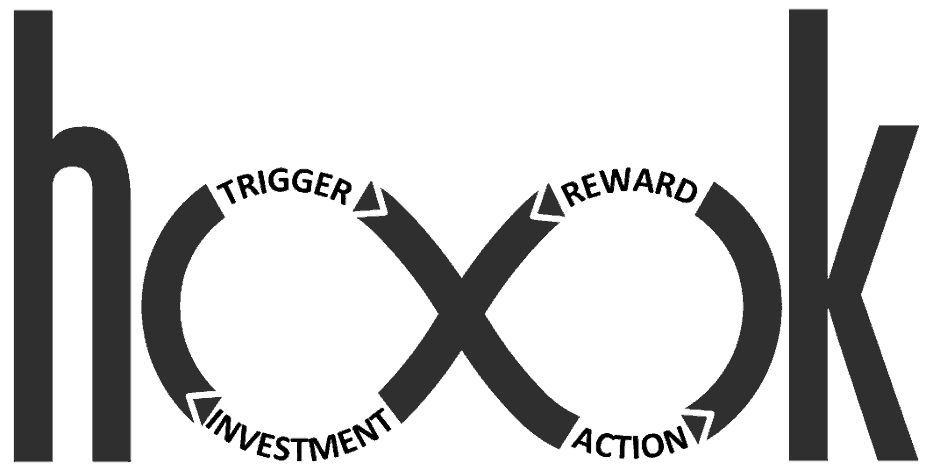
Trigger: “I need to practice speaking before my trip.”

Users are motivated upcoming travel and the desire to communicate confidently.

Spotify already offers a Lyrics tab for music, but podcasts require more sustained reading. Based on A/B testing, 94% of users preferred to toggle between audio and transcript views over swipe gestures. This became the foundation for transitioning between the audio player and transcript.

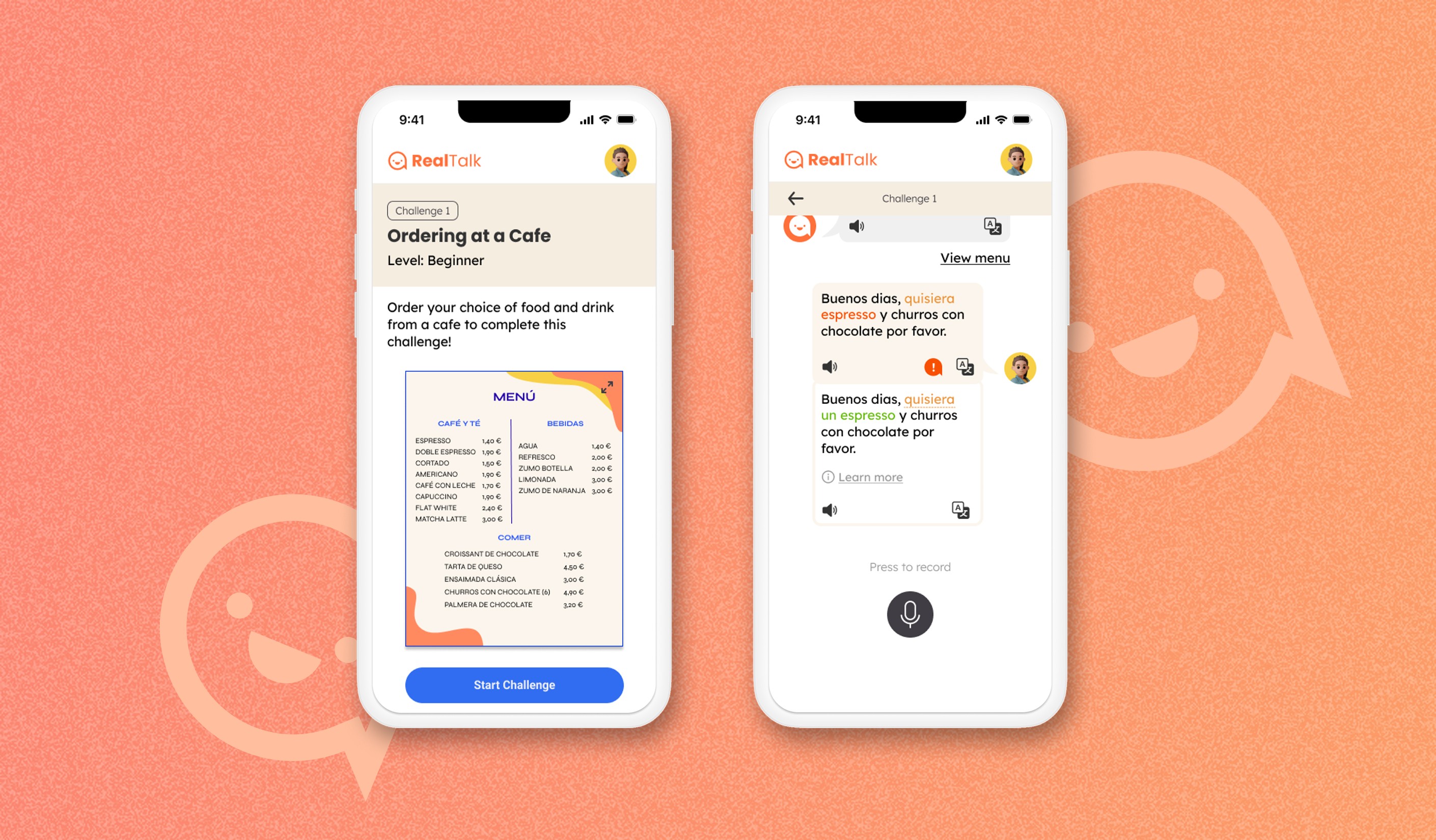
Action: Users engage in conversation challenges that simulate realistic travel scenarios using AI-powered dialogue.
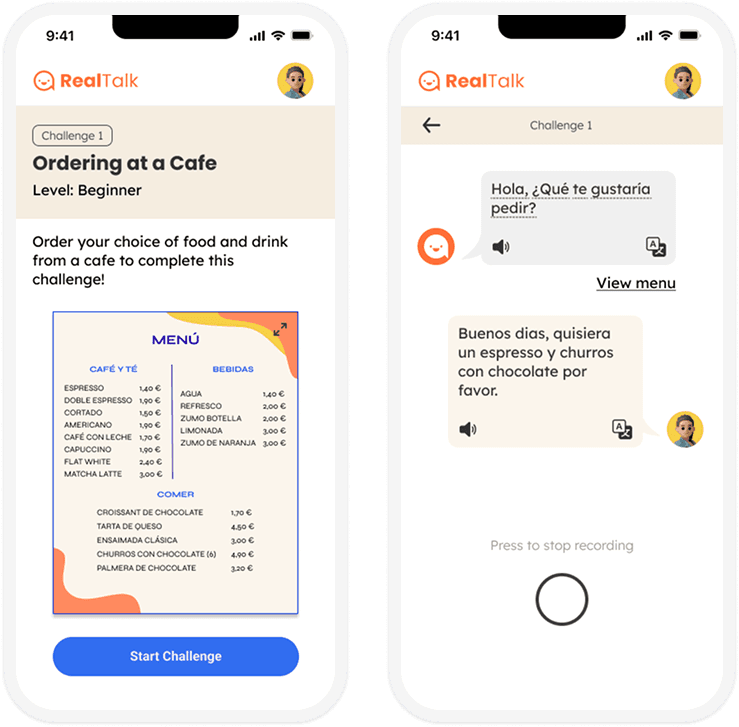
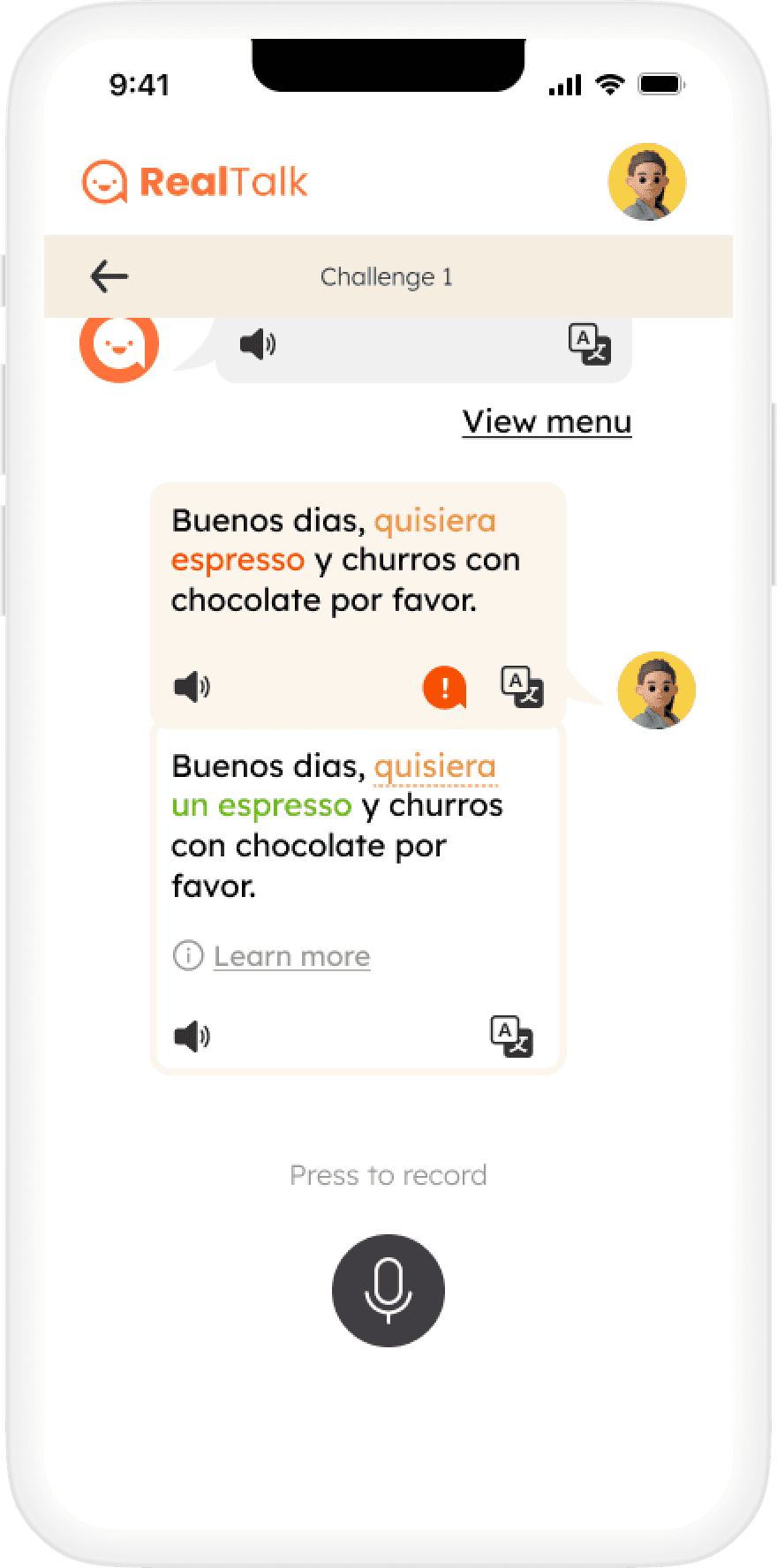
Less of "the cat is on the table" and "Jerome is wearing a red shirt," more "Je voudrais un café, s'il vous plaît" to fuel for a long day of sightseeing.

Some moments resonate with many listeners. To surface these insights, I designed Quick Clips—popular quotes visually emphasized in the transcript and savable with one tap.

This mirrors familiar behaviors from e-books and highlights, lowering the barrier to engagement.

Investment: Steady progress with effort
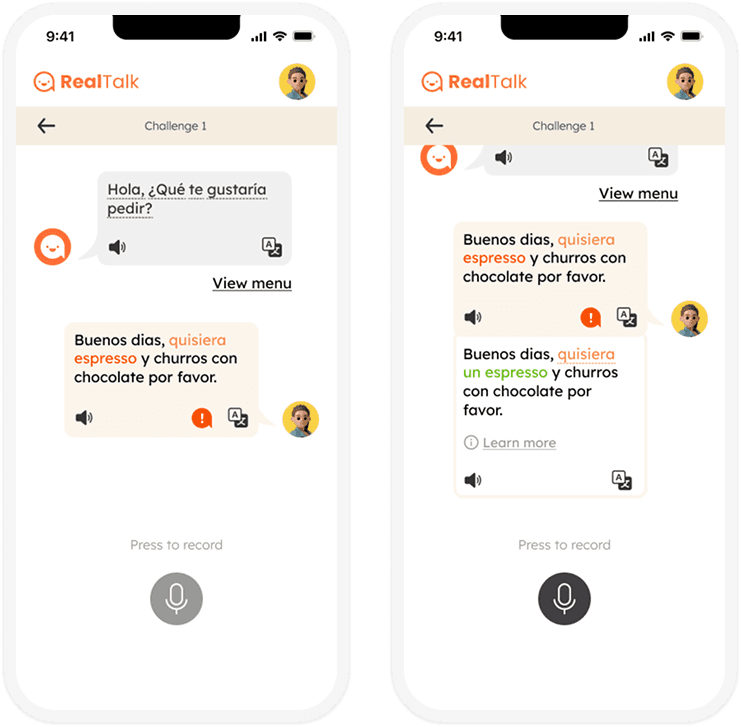
As users speak, they receive:

  • Real-time grammar and pronunciation feedback

  • Explanations for mistakes

  • Multiple modalities (audio + text) to reinforce learning

Each interaction makes the system more valuable over time.

For more personalized learning, users can highlight any portion of the transcript, just like marking a passage in a book. This action saves both the selected text and the corresponding audio clip. This interaction supports accessibility and reinforces multimodal learning.

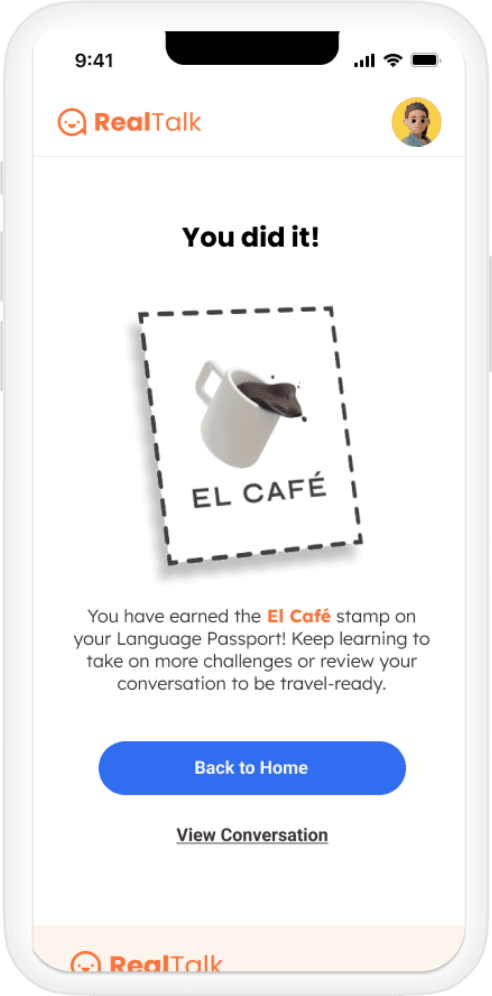
Variable Reward: Upon completing a challenge, users earn a Passport Stamp—a collectible symbol inspired by real travel.
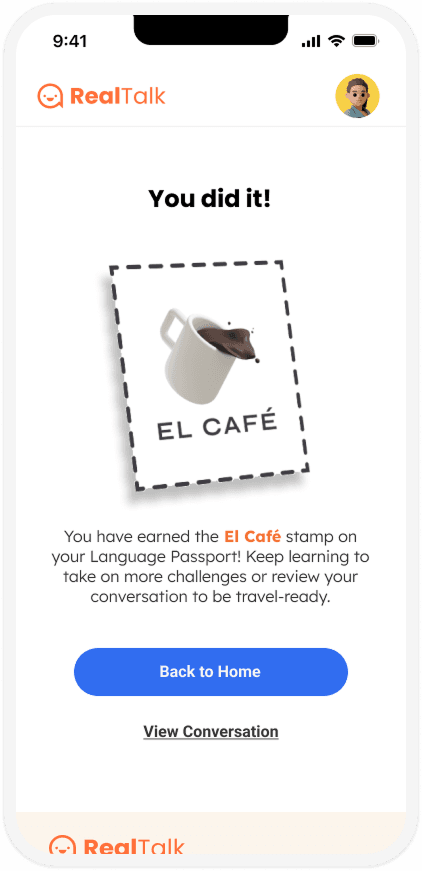
The stamps serve two purposes:

  • Reinforce progress through gamification

  • Tie language learning directly to travel identity and motivation

For more personalized learning, users can highlight any portion of the transcript, just like marking a passage in a book. This action saves both the selected text and the corresponding audio clip. This interaction supports accessibility and reinforces multimodal learning.

Loop returns to Trigger stage

Usability Testing

92% success rate in completing key tasks.

Usability testing showed a 92% success rate in completing key tasks, with users consistently describing the experience as intuitive and approachable—especially important for a learning product.

Feedback and mentor critiques led to key refinements:

  • UI color updates to shift away from warning-associated tones and toward a more welcoming palette

  • Micro-interactions and animations to provide clearer system feedback

  • Scaffolded learning support, including:

    • Word definitions in isolation

    • Pronunciation guidance

    • Clear explanations after errors

These iterations reinforced the product’s core promise: learning through encouragement, not correction.

Solution

A conversational language-learning experience centered on travel-relevant scenarios, powered by natural language processing and designed to feel supportive, not performative.

Rather than memorizing phrases, users practice conversations they’ll actually have—ordering food, asking for directions, checking into a hotel—while receiving immediate, constructive feedback. Users can:

Practice conversations they’ll actually encounter while traveling
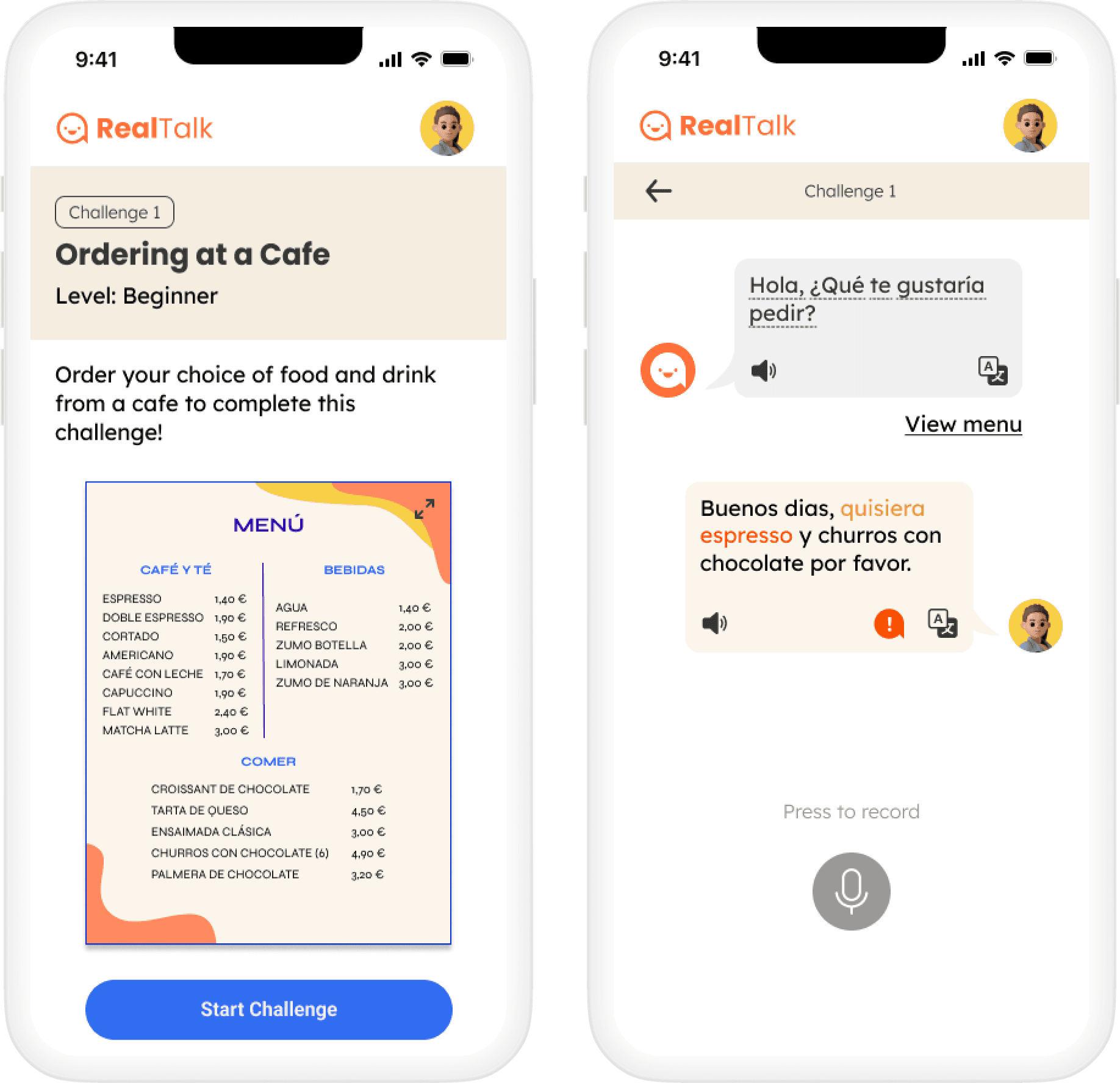
Receive immediate, supportive feedback using NLP
Stay motivated through progress tracking and gamified rewards
PROTOTYPE

REFLECTIONS

This was my first shot at a UX case study project! Through the support of my mentor, I learned a lot about design thinking, what questions to ask, the importance of behavioral psychology and iteration—not only on visual designs, but also on user flows and ideas—and the art of pivoting from initial ideations.

Huge shoutout to my DesignLab mentor, Cornelia!

[P.S. 2026 reflection]

Time really does fly! Looking back at this project three years later, I’m proud of the work baby-designer jenny put into it. The foundation is there—the research instincts, the curiosity, the care for users.

At the same time, distance brings clarity. With more experience in product design and a much deeper understanding of AI, I now see new possibilities I couldn’t have articulated then. Now, I’d approach the problem with sharper prioritization, tighter product framing, and a more intentional use of AI as a true learning partner rather than just a feature.

This project captures where my thinking was at the time. If I were building this today, I’d focus less on what the product could do and more on how it adapts, personalizes, and grows with its users over time.

Growth doesn’t erase earlier work—it gives it context. And this project remains a meaningful milestone in that journey.

Let's make something great.

Happy to coffee-chat about anything—design, new projects, work opportunities, travel, education, kdramas, walking the Camino de Santiago (new fav topic!)—virtually, or irl in Washington, DC.

made out of necessity. because, well, i'm a designer. 😉

Let's make something great.

Happy to coffee-chat about anything—design, new projects, work opportunities, travel, education, kdramas, walking the Camino de Santiago (new fav topic!)—virtually, or irl in Washington, DC.

made out of necessity. because, well, i'm a designer. 😉

Let's make something great.

Happy to coffee-chat about anything—design, new projects, work opportunities, travel, education, kdramas, walking the Camino de Santiago (new fav topic!)—virtually, or irl in Washington, DC.

made out of necessity. because, well, i'm a designer. 😉